Prek Graphics Review: Letter Tracing with Guide for Kids
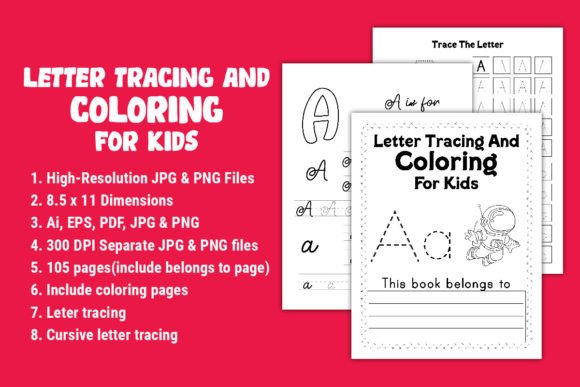
In the fast-paced world of digital publishing, the visual assets we choose define the credibility of our content before a single word is read. As a blog designer who has spent years curating graphic design assets for high-traffic editorial sites, I approach every new download with a critical eye. Recently, I evaluated Letter Tracing with Guide for Kids, a resource that initially caught my attention for its specific utility in the education niche. While the product description highlights its inclusion of cursive fonts and high-quality source files, my review focuses on how this asset translates into real-world web design and content marketing scenarios.
Upon first inspection, the mood of this collection is undeniably educational yet playful. It strikes a balance that is often difficult to achieve: it feels structured enough for a classroom setting but inviting enough for a lifestyle parenting blog. For publishers targeting the Prek demographic or early childhood education sectors, this asset creates an immediate sense of trust. The visual language suggests patience, learning, and development, which are crucial emotional triggers for parents and educators browsing your site. Unlike generic clip art that can feel cheap or disjointed, these Graphics possess a cohesive style that supports a professional brand identity.
Integrating Assets into a Real Publishing Workflow
The true test of any digital download is its versatility within a live publishing workflow. I imagined deploying Letter Tracing with Guide for Kids across various touchpoints of a content website. For a blogger preparing a comprehensive guide on homeschooling basics, these images serve as perfect blog graphics for featured headers. They break up text-heavy articles and provide visual anchors that keep the reader engaged.
Beyond standard article headers, the potential for Pinterest pin creation is significant. Pinterest remains a primary traffic driver for educational content, and visuals need to be bold and clear at small sizes. The clean lines and distinct letter forms in this set allow for overlay text that remains legible, driving higher click-through rates. Furthermore, for newsletter creators, these assets can be repurposed into engaging headers for weekly digests or as decorative elements in lead magnet PDFs. If you are building a digital guide or an eBook cover for a parenting course, the included source files offer the flexibility needed to customize layouts without losing resolution.
Enhancing Visual Hierarchy and Reader Trust
From an editorial design perspective, the strength of this asset lies in its ability to establish a clear visual hierarchy. When used correctly, these tracing guides direct the eye naturally across the page. In a website header or a category thumbnail, they signal immediately what the content is about, reducing bounce rates by aligning user expectations with the actual content. This consistency builds brand identity; readers begin to associate your specific style of educational imagery with quality information.
For affiliate marketers, the polish provided by high-quality design assets can directly impact conversion. A professional-looking social media graphics package or a well-designed printable worksheet acts as a "free sample" of your expertise, encouraging users to click through to your monetized pages. The perception of value is heightened when the accompanying visuals look like they were custom-created rather than slapped together from free, low-resolution sources.
Strategic Placement and Usage Constraints
While Letter Tracing with Guide for Kids is a robust tool, it is not a one-size-fits-all solution. It works best in hero images, article thumbnails, and dedicated resource pages where the focus is on learning activities. It shines in printable design projects where parents can download and use the sheets immediately. However, caution is advised when using these graphics in very serious professional niches, such as corporate finance or legal advice, where the playful nature might undermine authority. Additionally, on busy layouts with complex backgrounds, the delicate lines of the tracing guides might get lost. It is essential to ensure high contrast between the asset and the background to maintain readability.
Small mobile thumbnails also present a challenge. Because tracing involves fine details, these images may lose clarity if scaled down too aggressively for a crowded feed. In such cases, it is better to use the bolder elements of the set or pair them with large, sans-serif typography to ensure the message is conveyed instantly.
Practical Notes for Publishers and Designers
Before integrating this asset into your small business branding or client projects, there are several technical steps you must take. First, test the images on both desktop and mobile screens. What looks crisp on a retina display might appear pixelated on an older Android device if the file compression is too aggressive. Always review the file size for web performance; large PNGs can slow down page load times, negatively affecting SEO.
Typography pairing is another critical consideration. Try placing these graphics beside various font styles—serif for a traditional academic look, script for a personal touch, or bold display fonts for modern appeal. Ensure that the cursive font included in the pack complements your existing site typography rather than clashing with it. Finally, and most importantly, confirm the commercial license terms. If you plan to use these images in a paid product, a Canva template for sale, or on an affiliate page, you must verify that the license permits commercial redistribution or usage in monetized environments.
In conclusion, Letter Tracing with Guide for Kids is more than just a collection of letters; it is a strategic tool for content creators in the education and parenting spaces. When leveraged with an understanding of modern design principles and user experience, it elevates the perceived quality of your digital products and strengthens your connection with your audience.