Medieval Graphics for Crafts: Mazarin Bible Review
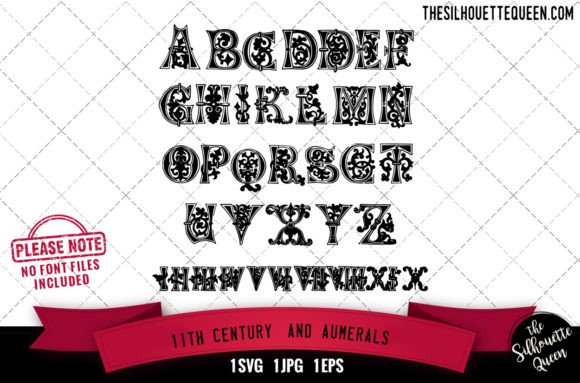
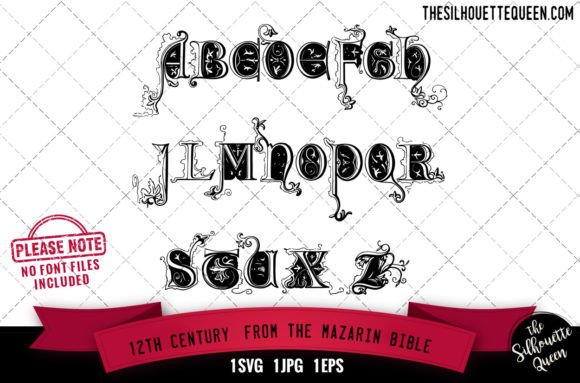
As a digital publisher who has spent years refining the visual identity of high-traffic blogs, I approach every new graphic design asset with a critical eye. It is not enough for an image to be pretty; it must perform. It needs to stop the scroll on Pinterest, establish immediate authority in a blog header, and maintain readability across various devices. Today, I am reviewing a fascinating piece from the creative marketplace titled 12th Century. from the Mazarin Bible. This asset promises a bridge between historical artistry and modern web design, offering a unique aesthetic for publishers looking to elevate their editorial design beyond standard stock photography.
First Impressions and Editorial Mood
Upon opening the files, the first thing that strikes me is the sheer texture and depth inherent in this digital download. Unlike many flat vector illustrations that feel sterile, this piece carries the weight of history. The style is undeniably artistic and decorative, evoking a sense of timelessness that feels both educational and sophisticated. It creates an editorial mood that is serious yet inviting, perfect for niches that value tradition, storytelling, or intricate detail.
For bloggers in the Crafts category, this is a goldmine. It naturally supports content related to calligraphy, bookbinding, historical reenactment, or even high-end paper goods. However, its utility extends far beyond hobbyist projects. For a lifestyle blogger focusing on slow living or a historian sharing deep-dive articles, this graphic provides an instant visual cue of quality and depth. It feels less like a playful sticker and more like a curated museum piece, which can significantly boost reader trust when used as a primary visual element.
Integrating into a Real Publishing Workflow
In my own workflow, versatility is king. A single asset must work across multiple touchpoints to justify its purchase. The 12th Century. from the Mazarin Bible shines here because of its file structure. You receive a comprehensive package including EPS, PNG, and SVG formats. This triad ensures compatibility whether you are working in Adobe Illustrator for print or Canva for quick social updates. Note that while the graphical elements are robust, no font files are included, giving you the freedom to pair the imagery with typography that matches your specific brand voice.
Here is how I would deploy this asset across a typical content strategy:
- Pinterest Pins: The intricate details of the Mazarin Bible graphic make for stunning vertical pins. When paired with bold, sans-serif text overlays, the contrast creates a "click-worthy" tension that drives traffic.
- Blog Featured Images: Using the SVG file allows for infinite scaling without pixelation. It works beautifully as a hero image for long-form articles, setting a tone of elegance before the reader even scans the headline.
- Newsletter Headers: Email clients can be tricky with images, but the PNG version offers a reliable, high-resolution option to brand your weekly digest with a touch of class.
- Digital Guides and eBooks: For creators selling digital products, this graphic serves as an excellent chapter divider or cover accent, adding perceived value to the material.
- Social Media Graphics: Whether for Instagram stories or Facebook posts, the historical aesthetic stands out against the sea of modern, minimalist feeds.
Boosting Content Performance and Brand Identity
The primary goal of any content marketing effort is engagement. Visuals are the hook. By incorporating 12th Century. from the Mazarin Bible into your site, you establish a stronger visual hierarchy. Readers subconsciously associate high-quality, unique imagery with high-quality information. This asset helps differentiate your brand identity from competitors using generic templates.
When used consistently, these design assets improve category recognition. If a reader sees this specific style of illumination or border in their feed, they will instantly recognize it as your content. This consistency builds a professional-looking content page structure that encourages longer dwell times. Furthermore, for those involved in affiliate marketing, presenting products within a polished, editorially rich environment can increase conversion rates by fostering a sense of premium curation.
Ideal Use Cases and Strategic Placement
This graphic excels in areas where detail can be appreciated. It is perfect for hero images on desktop views, article thumbnails that have ample space, and printable designs where resolution matters. It acts as a powerful editorial accent in media kits or as a watermark for exclusive content upgrades. Because it is a Crafts-oriented graphic, it also works exceptionally well for packaging design mockups or as a background element for workshop flyers.
However, caution is required. The intricate nature of 12th-century art means it can get lost if scaled down too aggressively. Avoid using it for small mobile thumbnails where the details might blur into noise. It is also not ideal for text-heavy blog images where the background complexity competes with the headline. If your niche is strictly corporate, fintech, or ultra-modern tech, this historical aesthetic might clash with your established minimal visual system unless used very sparingly as an ironic or contrasting element.
Practical Notes for Publishers and Designers
Before integrating this into your live site, I recommend a rigorous testing phase. First, view the asset on both desktop and mobile screens to ensure the lines remain crisp. Check how it looks as a thumbnail in your specific CMS layout. Preview it inside a real blog post alongside your standard body text to gauge the visual balance.
Typography pairing is crucial. Since no fonts are included, experiment by placing the graphic beside serif fonts for a classic look, or juxtapose it with modern sans-serif and handwritten fonts for a contemporary twist. Always check contrast and readability, especially if you plan to overlay text. Try converting the image to black and white to see how it performs in monochrome contexts, which is useful for certain print layouts or dark mode website views.
From a technical standpoint, review the file size. While SVGs are generally lightweight, ensure your PNGs are compressed properly for web performance to avoid slowing down your page load speeds. Finally, and most importantly, confirm the commercial licensing terms. Ensure you have the right to use this commercial design on monetized websites, affiliate pages, or in paid content products like courses and eBooks. With the right approach, 12th Century. from the Mazarin Bible is not just a clipart file; it is a strategic tool for enhancing the narrative power of your digital presence.