Reviewing 18th Century Numerals for Real Embroidery Projects
When I first opened the folder containing 18th Century Numerals, my immediate reaction wasn't just about the aesthetic; it was about application. As a designer who spends hours digitizing and stitching, I look at every digital embroidery file through the lens of the final finished product. This collection, categorized under Crafts and Graphics, offers a specific vintage mood that is currently trending in boutique markets. However, owning the files is only half the battle. The real question is: how do these numerals translate from a screen to a textured fabric without losing their historical charm?
The Aesthetic Appeal and First Impressions
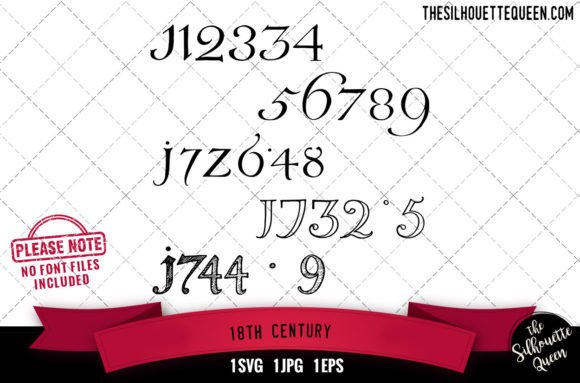
The visual personality of 18th Century Numerals is distinct. It carries an air of antiquity, reminiscent of old ledger books, apothecary labels, and classic typography found in heritage architecture. For an Etsy seller or a small shop product creator, this style immediately elevates the perceived value of an item. It suggests craftsmanship and attention to detail. Unlike modern, blocky fonts that scream "mass-produced," these numerals invite the viewer to look closer.
The design assets include one EPS file, one PNG file, and one SVG file. It is crucial to note that no font files are included. This means you are working with fixed graphic shapes rather than editable text characters. For an embroidery project, this can actually be a benefit. Fixed shapes ensure that the proportions intended by the original artist remain intact, preventing accidental distortion when resizing for different hoop sizes. The layout feels balanced, with enough negative space to allow the stitches to breathe, which is vital for maintaining clarity in a machine embroidery design.
Real-World Application: The Custom Tote Bag Scenario
To truly test the viability of these numerals, I imagined a specific client request: a set of personalized tote bags for a local bakery launching a new line of artisanal breads. They wanted a rustic, established look, perhaps marking the year of their founding or using numbers as part of a pricing or labeling system on the bags themselves.
In this scenario, 18th Century Numerals shines. When applied to a canvas tote bag design, the vintage style complements the natural texture of the fabric. If I were to stitch these using a satin stitch border with a fill stitch interior, the result would be a robust, tactile element that withstands frequent handling. The numerals are substantial enough to be read from a distance but detailed enough to look premium up close. For a handmade product like this, the design adds a layer of storytelling that generic numbers simply cannot achieve.
Furthermore, this aesthetic translates beautifully to sweatshirt embroidery. Imagine a cozy, oversized crewneck with a large "17" or "94" stitched on the chest in a muted thread color against a heather grey background. The custom apparel market loves this kind of subtle branding. It feels less like a uniform and more like a curated piece of streetwear or collegiate vintage gear.
Technical Considerations for Stitching
While the visual appeal is high, practical execution requires caution. When dealing with historical-style typography, the devil is often in the details. These numerals likely feature swashes, varying stroke widths, and potentially sharp corners. When converting these Graphics into a stitch pattern, stitch density becomes a critical factor.
If you are planning to use these on a textured fabric like a waffle knit or a heavy towel, you must ensure the embroidery file has enough coverage to prevent the fabric texture from showing through the lighter parts of the numbers. Conversely, on a thin fabric or a stretchy fabric like a baby onesie, high density can cause puckering. In such cases, a lighter running stitch outline or a simplified fill might be necessary. Since the package provides vector formats (EPS, SVG), you have the flexibility to adjust the size before sending it to your digitizer or embroidery software, but always test the design on scrap fabric first.
Special attention must be paid to curved surfaces like caps. Embroidering on a structured cap changes the geometry of the design. The top of a numeral might compress while the bottom stretches. For 18th Century Numerals, which may rely on vertical symmetry, this distortion could alter the legibility. I recommend stitching a sample on a similar cap material to check if the serifs or decorative ends of the numbers hold up under tension.
Fabric and Thread Choices
The choice of thread colors can make or break the vintage vibe. While black and white mockups are excellent for checking contrast, real-world application benefits from earthy tones. Think mustard yellows, deep burgundies, slate blues, or olive greens. These colors enhance the 18th-century feel. When working on dark fabric, ensure your thread has enough sheen or brightness to pop without looking neon. A matte cotton thread often works better for this aesthetic than a high-gloss rayon.
Additionally, consider the stabilizer. For items like kitchen towels or aprons that will undergo frequent washing, a cut-away stabilizer is non-negotiable to maintain the shape of the numerals over time. Tear-away stabilizers might leave the edges fraying after the tenth wash, ruining the professional look of your craft business items.
Commercial Viability and Brand Consistency
For commercial embroidery projects, consistency is key. If you are selling personalized gifts or holiday embroidery items featuring birth years or anniversary dates, 18th Century Numerals offers a cohesive look that builds brand recognition. Customers begin to associate that specific typographic style with your shop.
However, since no font files are included, you are limited to the specific numbers provided in the set. Before committing to a large order of embroidered patches or a run of nursery decor, confirm that the set includes all the digits you need for your specific project range. If a client asks for a custom year that isn't in the set, you won't be able to generate it seamlessly without matching external assets.
From a marketing perspective, these designs excel in printable mockups and digital previews. The clean lines of the SVG and PNG files allow for crisp presentation in online listings, helping to drive buyer engagement. A well-presented mockup showing the numerals on a pillow cover or a blanket can significantly increase conversion rates for an Etsy seller.
Final Verdict for Makers and Designers
In conclusion, 18th Century Numerals is a versatile asset for the thoughtful designer. It bridges the gap between historical elegance and modern crafting trends. Whether you are creating baby embroidery for a nursery, wedding gifts with significant dates, or boutique branding elements, this design holds up well under scrutiny.
My advice is to approach it with a strategist's mind. Check thread color contrast rigorously. Inspect small details for potential stitching issues before running a full production batch. Confirm licensing terms explicitly before selling finished items, as rules can vary between designers. By respecting the limitations of the medium and leveraging the unique character of these numerals, you can create design assets that not only look beautiful but also stand the test of time and wear. This is not just a graphic; it is a tool for building a tangible, high-quality brand identity.