After Ludovico Curione 16th Century: A Designer's Review
When I first opened the folder for After Ludovico Curione 16th Century, I wasn't just looking at another digital file to add to my library. As someone who spends hours hooping fabric, threading needles, and managing client expectations, I look for designs that carry weight—both visually and technically. This piece, categorized under Crafts and Graphics, immediately struck me as a sophisticated choice for high-end personalization. It isn't a cartoonish motif or a trendy minimal line drawing; it is a nod to Renaissance elegance that demands respect in its execution. The mood it creates is one of timeless refinement, perfect for projects where the finished product needs to whisper luxury rather than shout novelty.
Visual Personality and First Impressions
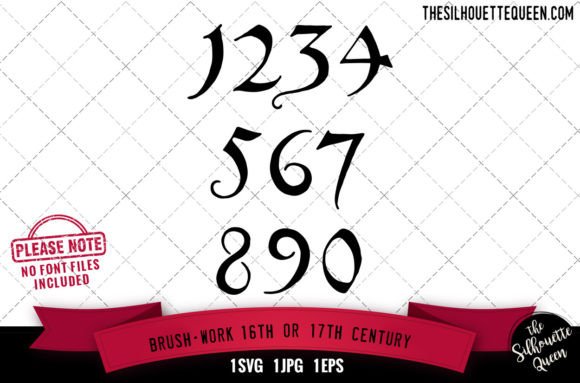
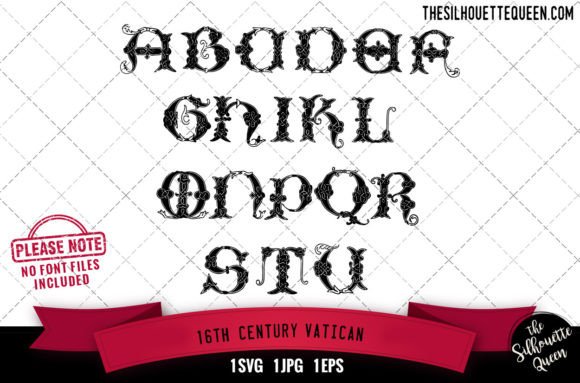
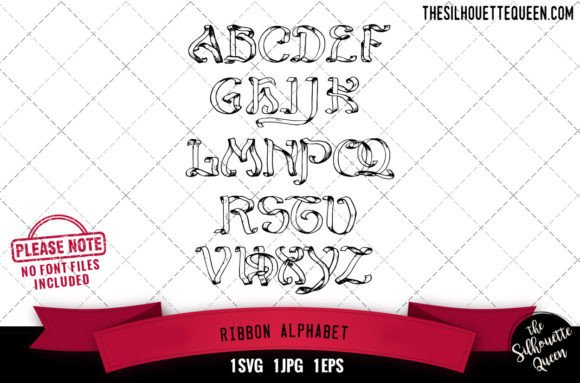
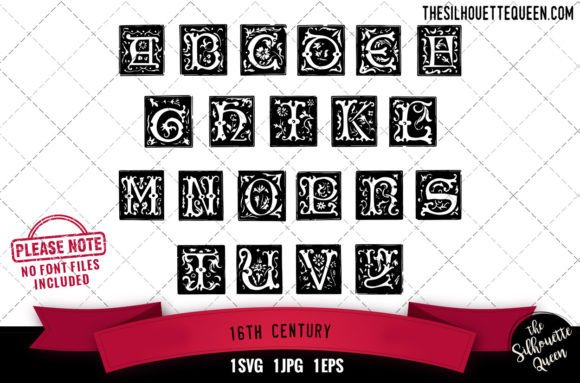
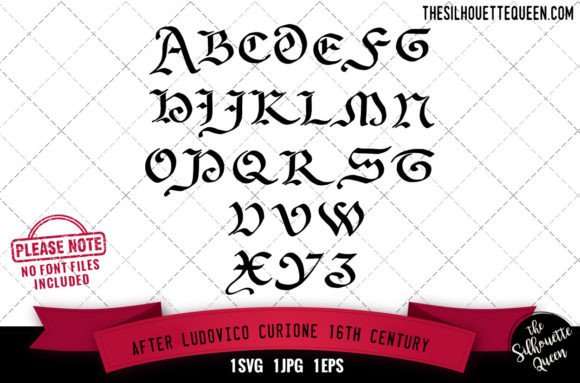
The layout of After Ludovico Curione 16th Century feels balanced and intentional. In the world of embroidery design, symmetry and flow are everything, especially when dealing with historical themes. This graphic possesses a visual personality that suggests heritage and craftsmanship. When viewing the SVG or PNG preview, the lines appear crisp, suggesting that the underlying stitch structure—whether satin stitch, fill stitch, or running stitch—has been mapped out with precision. For a designer, this is crucial. We know that a beautiful image on a screen can turn into a bird's nest of thread if the digitizing isn't up to par. However, the clarity here implies a thoughtful approach to detail levels, making it suitable for both large statement pieces and smaller, intricate accents.
Real-World Application: The Boutique Tote Scenario
To truly evaluate this design, I imagined a specific real-life scenario: a custom order for a local boutique specializing in literary-themed merchandise. The client wanted a limited-run tote bag design that would appeal to history buffs and art lovers. After Ludovico Curione 16th Century was the immediate contender. Picture a heavy-duty canvas tote in a deep charcoal or natural linen. Placing this graphic centrally creates an instant focal point. Unlike generic floral patterns, this design tells a story. It elevates a simple tote bag design into a wearable piece of art.
In this context, the design performs exceptionally well. The complexity of the imagery translates beautifully into thread, provided the thread colors are chosen with care. I would recommend sticking to a monochromatic palette or using metallic threads to highlight specific contours, enhancing the 16th-century aesthetic. For a small shop product, this kind of distinctiveness is what drives sales. Customers aren't just buying a bag; they are buying a connection to a specific era and style. The visual appeal here directly impacts the perceived value of the handmade product, allowing the maker to command a higher price point.
Versatility Across Custom Apparel and Home Decor
Beyond tote bags, the versatility of After Ludovico Curione 16th Century extends to various custom apparel and home goods. Imagine this embroidered on the cuff of a velvet blazer or as a chest pocket accent on a structured denim jacket. The historical theme pairs wonderfully with textures that have their own depth, like corduroy or wool blends. For sweatshirt embroidery, one must be cautious about the stitch density. If the design is too dense, it can make the fabric stiff and uncomfortable. However, given the graphic nature of the file, it likely adapts well to lighter fill techniques that maintain softness.
In the realm of home decor, this design shines as a holiday embroidery option for those who prefer classic over kitschy. A pillow cover featuring this motif in gold thread against a navy background becomes an instant heirloom. It also works beautifully for kitchen towels or aprons, adding a touch of old-world charm to modern kitchens. For baby embroidery, perhaps on a christening gown or a nursery blanket, the gentle curves and classical feel offer a sense of tradition and warmth that parents often seek for special occasions.
Technical Considerations and Fabric Challenges
While the aesthetic potential is high, practical application requires a critical eye. There are specific scenarios where After Ludovico Curione 16th Century should be used carefully. First, consider the hoop size. If your project involves a small area, such as a cap or a sock, you must ensure the design scales down without losing its defining details. Tiny elements can get lost or become bulky if the stitch count is too high for the available space.
Textured fabrics present another challenge. On a thick terrycloth towel or a fuzzy fleece, fine details might get swallowed by the pile. In these cases, using a heavier stabilizer is non-negotiable to prevent puckering and ensure the stitches sit on top of the fabric texture rather than sinking in. Similarly, when working with stretchy fabrics like jersey knits for t-shirts, the stability of the design is paramount. A design with long runs of satin stitch can restrict stretch or cause the fabric to warp after washing. Testing on scrap fabric of the same weight and weave is essential before committing to the final embroidery project.
Dark fabrics require special attention to contrast. Since no font files are included, the design relies entirely on its graphical strength. On black or dark navy material, you may need to adjust the underlay or choose brighter thread colors to ensure the 16th-century details pop. Conversely, on light fabrics, shadow effects created by the stitching can add dimension, but only if the digitizing accounts for light reflection.
Enhancing Brand Consistency and Customer Trust
For Etsy sellers and creative entrepreneurs, consistency is key to building a recognizable brand. Using a distinctive asset like After Ludovico Curione 16th Century across different products—from patches to pillow covers—creates a cohesive collection. This consistency builds customer trust. When a buyer sees a high-quality, unique design repeated across your shop, it signals professionalism and attention to detail. It moves your offerings away from mass-produced goods and firmly into the category of curated, artisanal work.
The "giftability" factor is also significant. A personalized gift featuring this design feels thoughtful and exclusive. Whether it is a wedding gift for a couple who loves history or a corporate gift for a client in the arts sector, the finished product conveys a level of sophistication that generic designs cannot match. This emotional connection drives buyer engagement and encourages repeat business.
Practical Notes for the Working Designer
Before diving into production, here are a few practical steps I recommend. First, always test the design on scrap fabric that matches your final material. Check the thread color contrast under different lighting conditions. Review the stitch density settings in your embroidery software; sometimes, reducing the density slightly can improve the drape of the fabric without sacrificing visual impact. Confirm your hoop size capabilities to ensure the entire design fits without re-hooping, which can lead to alignment issues.
Inspect small details closely. Are there tiny isolated stitches that might pull out after washing? If so, consider manual editing or reinforcing those areas. Test the design in black and white mockups to see how it holds up without the distraction of color. This helps verify that the shape and form are strong enough to stand on their own. Finally, and most importantly, confirm the licensing terms. The package includes 1 EPS file, 1 PNG file, and 1 SVG file, with a note that no font files are included. Ensure you understand whether this license permits commercial use for physical goods or if there are restrictions on selling the digital file itself. Clarity here protects your craft business and ensures you are respecting the creator's rights.
In conclusion, After Ludovico Curione 16th Century is more than just a graphic; it is a versatile tool for the discerning designer. With careful planning regarding fabric choice, stabilization, and scaling, it can transform ordinary items into extraordinary keepsakes. It bridges the gap between historical artistry and modern manufacturing, offering a unique value proposition for anyone looking to elevate their embroidery portfolio.